

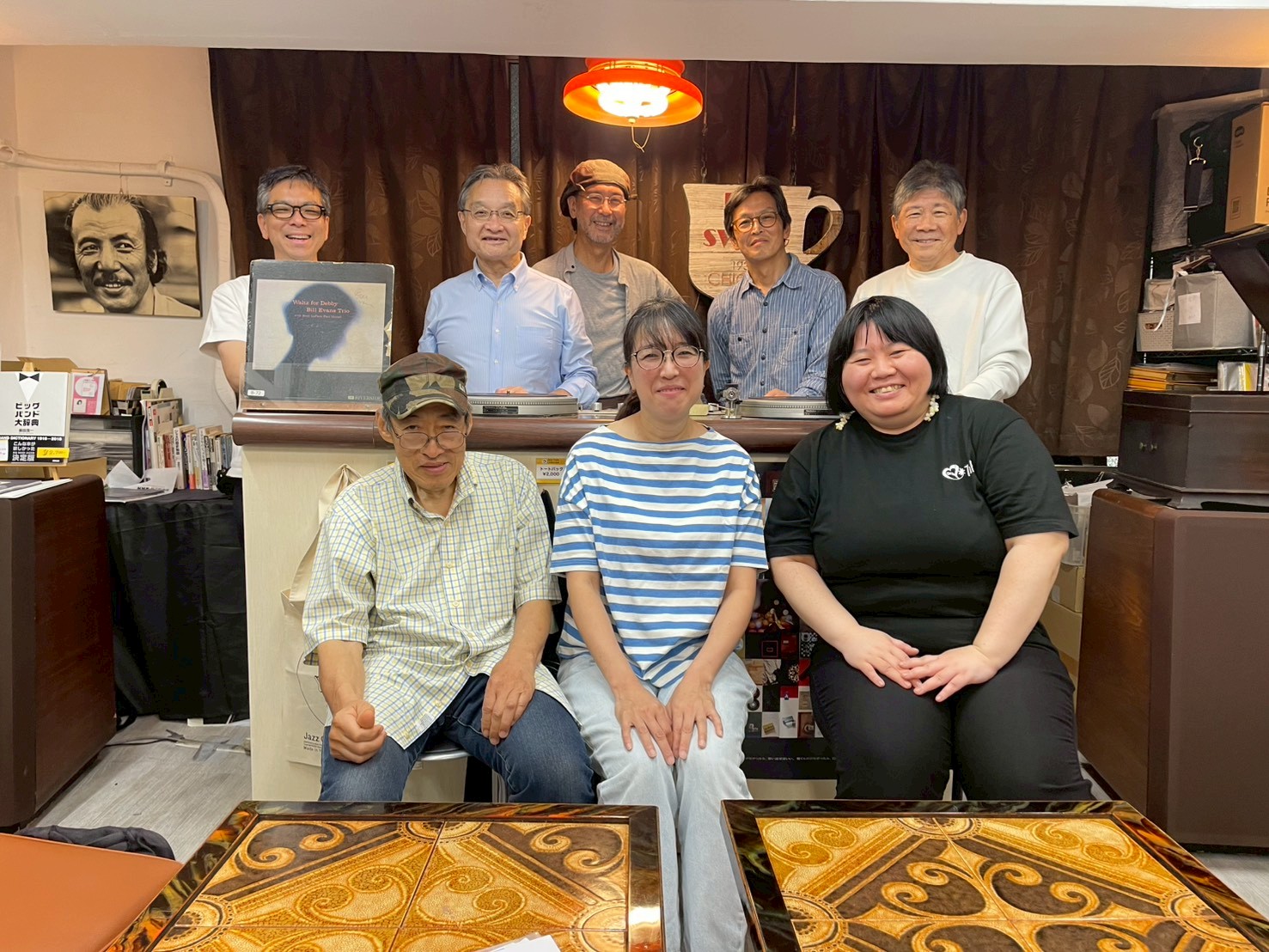
Mayuko Shinmura is the current representative director of MCY, and a long-time contributor to Yokohama culture and community. She was born and raised in Tokyo, and attended Musashino Art University, but eventually settled in Yokohama––to our city’s good fortune!
For a time she worked in Yokohama’s Noge district at the community center Noge Hana Hana. Her responsibilities included facility management and working as an assistant director for local art event planning. Officially, she was employed by a community development organization called the Noge District Machizukuri (“community-building”) Association. She shares, “I originally became interested in the organization’s mission to promote the neighborhood through art and culture.”
Jazz Cafe Chigusa was being managed by the Association then, and she was assigned to work there. It was a truly cozy listening cafe with an atmosphere like no other that she helped cultivate. She eventually became more deeply involved in jazz, particularly in supporting jazz cafés in Tohoku that were affected by the Great East Japan Earthquake of 2011.
In 2024, when MCY was established to preserve Chigusa’s legacy, she lamented that wonderful old jazz cafes and bars across Japan were closing one after another. Her involvement was driven more broadly by a desire to preserve Japan’s unique jazz cafe culture. She says, “I hope to develop projects that share and promote jazz culture in Japan, especially in Yokohama, so that more people can enjoy it. Through jazz, I want to create richer shared experiences and expand opportunities for people to engage with art and music culture in everyday urban spaces.” From our perspective, she’s doing an honorable job!
In closing we couldn’t help asking about her favorite jazz artists/albums. She offered Duke Jordan’s “
Please tell us in brief what Music Chronicle Yokohama (MCY) does.
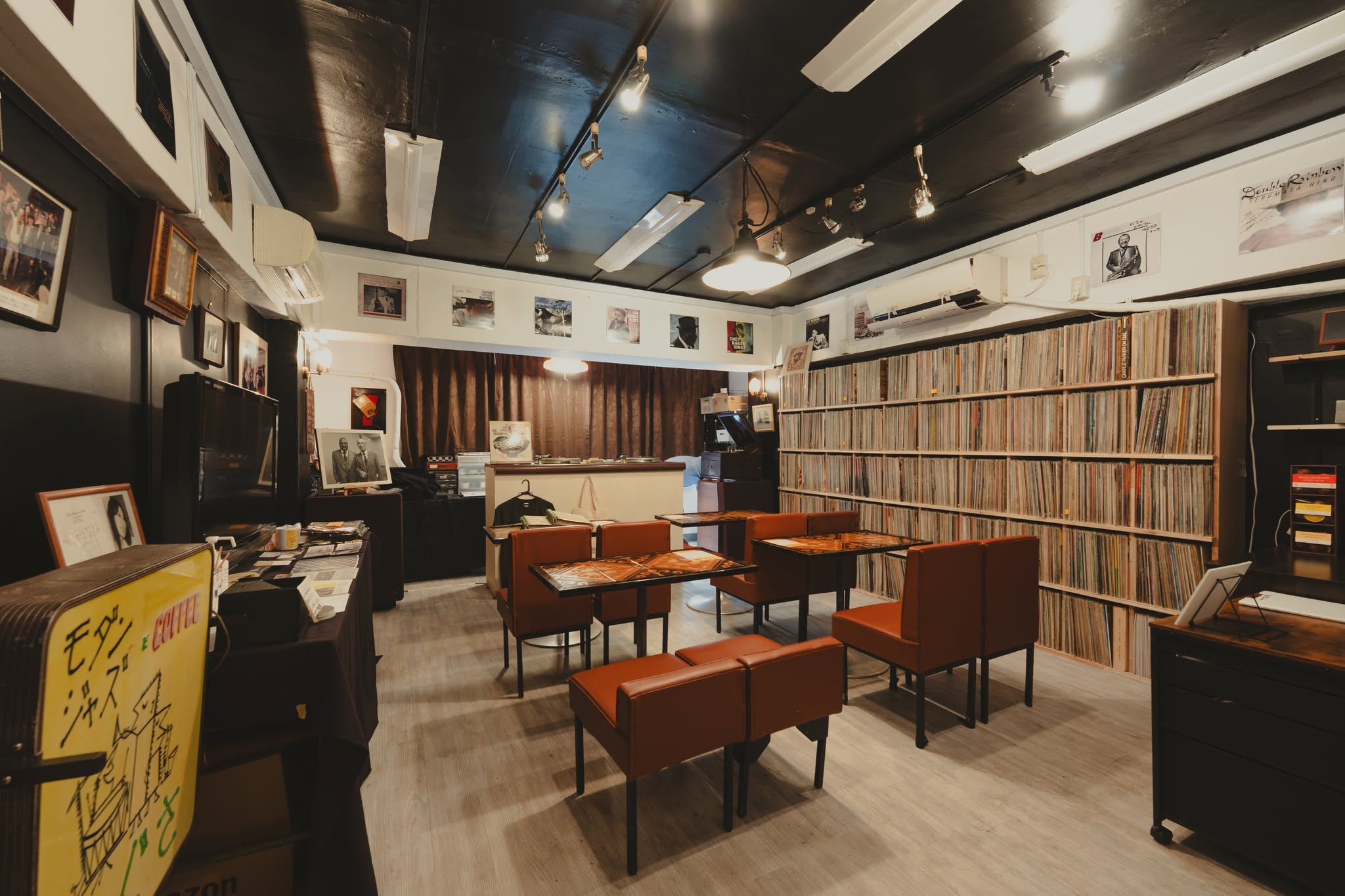
MCY works to preserve and make use of Japan’s artistic and musical culture, with a particular focus on jazz. It operates a jazz record listening room where people can experience and enjoy this cultural heritage.
Please tell us about Mamoru Yoshida and Jazz Cafe Chigusa, which provided inspiration.
In 1933, Mamoru Yoshida opened Jazz Cafe Chigusa in the Noge district of Yokohama at the age of 20. It is one of the oldest surviving jazz cafés in Japan. However, it is currently closed due to rebuilding and renovation work.
What does MCY currently do to preserve this legacy?
MCY is now the steward of Jazz Cafe Chigusa’s valuable record collection and audio equipment while the café is closed. The organization maintains and preserves these materials and has opened a listening room where people can continue to enjoy the music. In addition, MCY plans and operates music performances and art events, helping to keep Chigusa’s cultural legacy active and accessible to the public.
Please tell us about how/when MCY was founded.
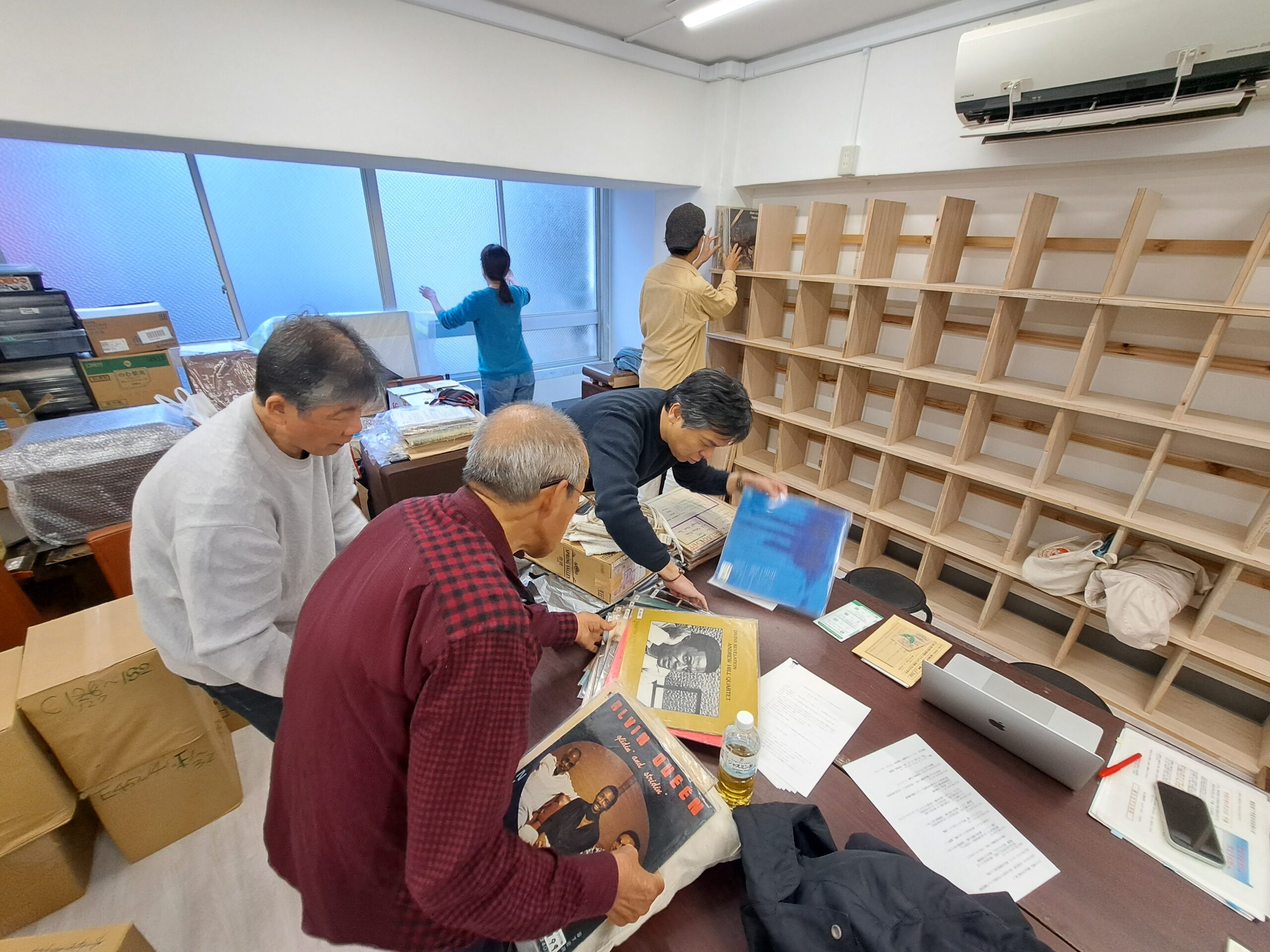
As construction costs for the Noge café building rose sharply, rebuilding work came to a halt. Meanwhile, the records and audio equipment that had been stored in a warehouse began to deteriorate and required maintenance. In response, seven volunteer members who had long supported Chigusa came together to establish MCY in October 2024. The organization was formally incorporated in April 2025.
What are the future plans for Jazz Cafe Chigusa?
Because construction of the Noge jazz café has been suspended, it is unclear when the café will reopen. In the meantime, MCY aims to maintain the listening room as a place where people can casually enjoy records and stay connected to the Chigusa tradition.
It seems MCY does events outside the listening room community space. Please tell us about those.
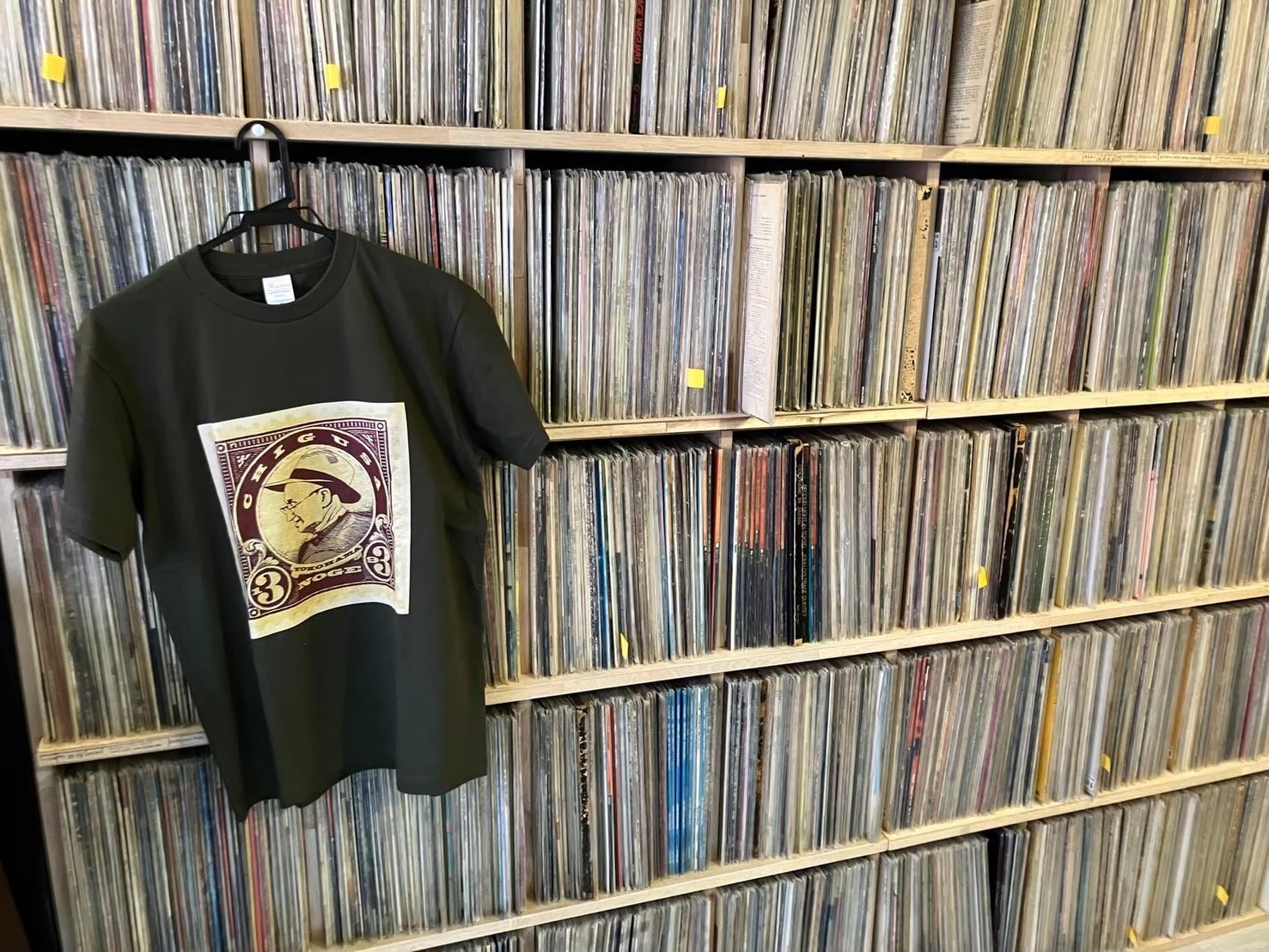
MCY organizes a variety of activities beyond the listening room. These include traveling events in different communities where attendees can enjoy vinyl record listening sessions while sipping coffee, as well as live music performances and exhibitions of rare jazz-related collections and artifacts.
How can the community support MCY?
Yokohama’s jazz culture is an essential part of the region’s postwar cultural history. Community support helps preserve physical cultural assets such as records, audio equipment, and historical materials. It also helps sustain the social spaces where people can gather to share and enjoy great music together.
Thank you!